Global CBD Skin Care Market Size, Share, Trends & Growth Forecast Report By Source, Type (Oils, Creams and Moisturizers, Masks and Serums, and Cleansers), and Region (North America, Europe, Asia-Pacific, Latin America, Middle East and Africa), Industry Analysis From 2026 to 2034
Global CBD Skin Care Market Report Summary
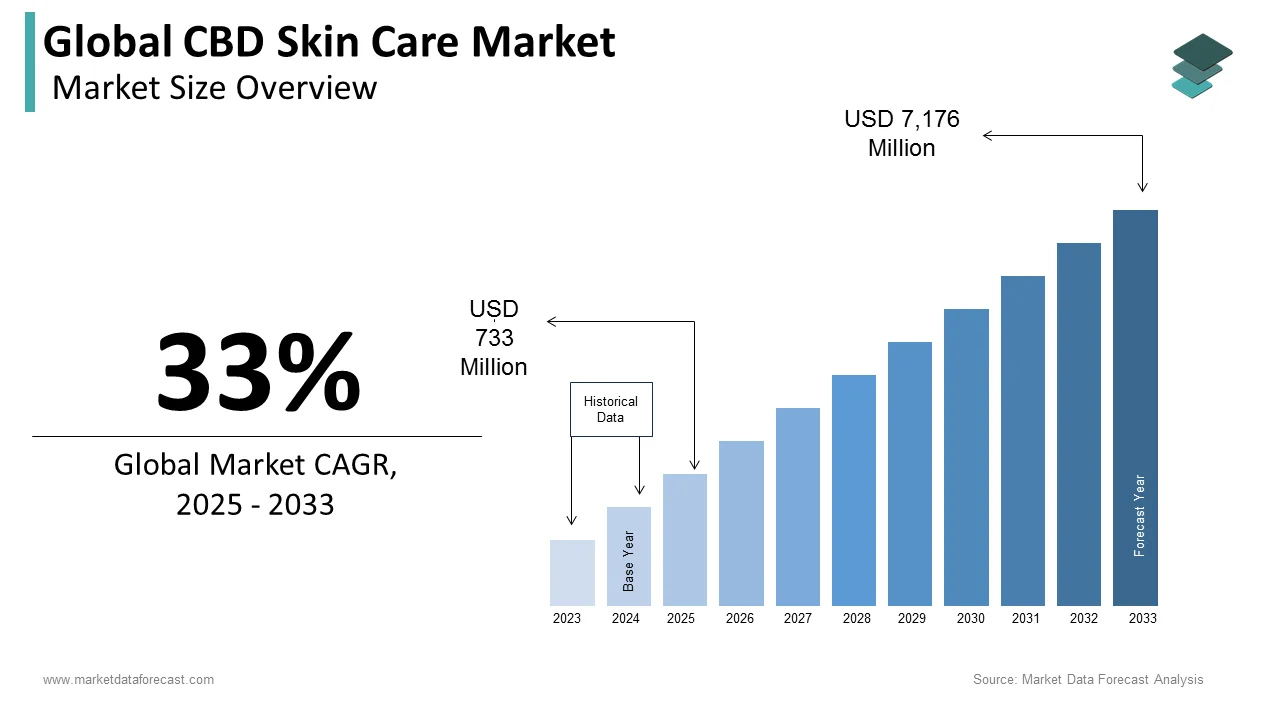
The global CBD skin care market was valued at USD 733 million in 2025, is estimated to reach USD 974.89 million in 2026, and is projected to reach USD 9,545 million by 2034, growing at a CAGR of 33% from 2026 to 2034. Market growth is driven by increasing consumer preference for natural and organic skincare products, rising awareness of the therapeutic benefits of cannabidiol (CBD), and growing demand for anti-inflammatory and antioxidant-based formulations. CBD skincare products are widely used for managing acne, eczema, and skin irritation, contributing to their rising popularity. The expansion of the beauty and wellness industry, along with increasing product innovation and brand penetration, is further accelerating market growth globally.
Key Market Trends
- Rising demand for natural, organic, and plant-based skincare products.
- Increasing awareness of CBD’s anti-inflammatory and antioxidant properties.
- Growing popularity of wellness-oriented and holistic beauty solutions.
- Expansion of premium and luxury skincare segments incorporating CBD.
- Increasing product innovation and diversification of CBD-infused formulations.
Segmental Insights
- Based on type, the creams and moisturizers segment dominated the global CBD skin care market by capturing 42.9% share in 2025, driven by high consumer usage and effectiveness in hydration and skin treatment.
- Based on source, the hemp segment remained the leading model in 2025.
Regional Insights
The global CBD skin care market is witnessing rapid growth across major regions due to evolving consumer preferences and expanding beauty industries.
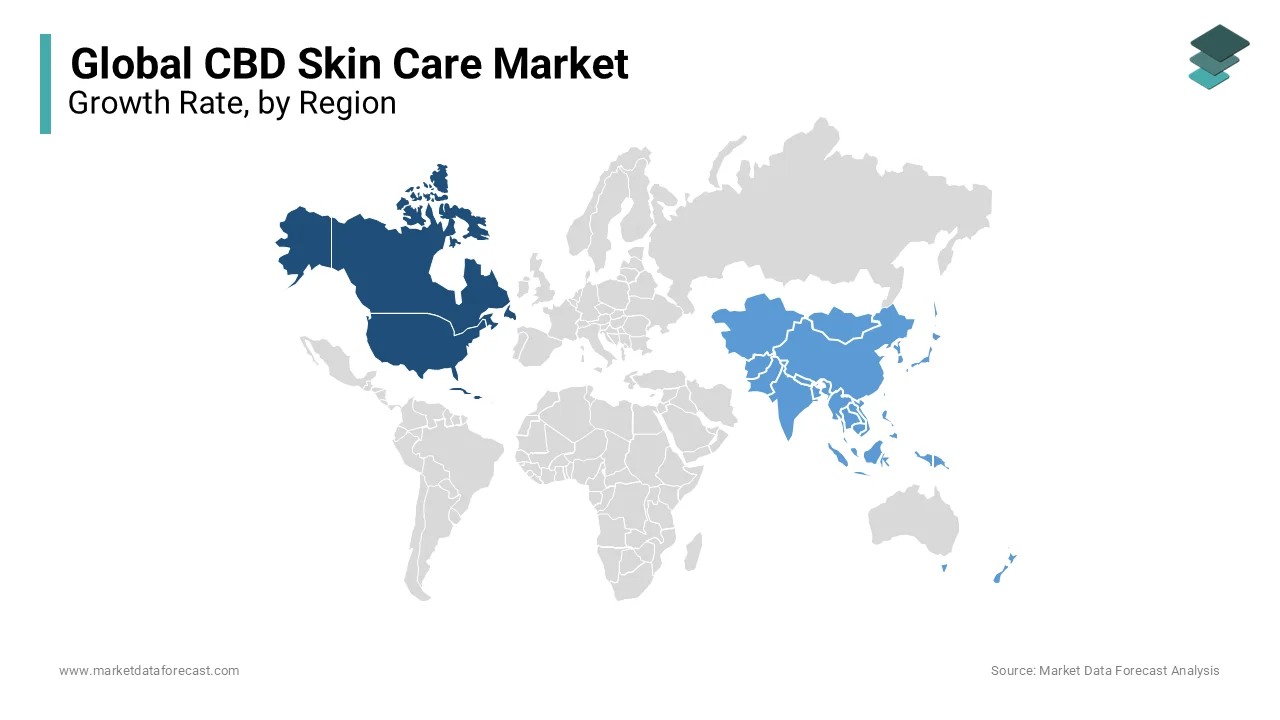
- North America led the market in 2025 with 48.1% share, supported by favorable regulations and strong consumer awareness.
- Europe followed with 27.2% share in 2025, driven by growing demand for organic and sustainable skincare products.
- Asia-Pacific is emerging as a dynamic region due to booming beauty markets and increasing adoption of wellness-focused skincare products.
Competitive Landscape
The global CBD skin care market is highly competitive, with the presence of established beauty brands and emerging CBD-focused companies. Market players are focusing on product innovation, expanding distribution channels, and enhancing brand positioning. Strategic collaborations, marketing initiatives, and regulatory compliance are shaping competitive dynamics across the market.
Prominent companies operating in the global CBD skin care market include Kiehl's LLC, Cannuka LLC, Estée Lauder Companies Inc., Elixinol Global Limited, Medical Marijuana Inc., Endoca LLC, L’Occitane International S.A, Lord Jones, VERTLYBALM, Kapu Maku LLC, and Leef Organics.
Global CBD Skin Care Market Size
The size of the global CBD skin care market was worth USD 733 million in 2025. The global market is anticipated to grow at a CAGR of 33% from 2026 to 2034 and be worth USD 9,545 million by 2034 from USD 974.89 million in 2026.
CBD Skin Care refers to the use of topical beauty and wellness products, such as creams, serums, and oils, that are infused with cannabidiol (CBD), a non-psychoactive compound derived from the cannabis plant. This market has evolved rapidly as consumers increasingly seek natural alternatives to synthetic chemicals for skin health management. The definition extends beyond simple moisturizers to include serums, masks, and cleansers that leverage the anti-inflammatory properties of cannabinoids. In Europe, the regulatory landscape remains complex yet progressive, with the European Commission maintaining strict controls on novel foods while allowing cosmetic applications under specific purity standards. According to Eurostat data, the cultivation area for industrial hemp in the European Union has expanded significantly, providing a robust raw material base for extraction industries. Furthermore, consumer sentiment surveys conducted by Eurobarometer indicate that 84 percent of EU citizens are worried about the impact of chemicals in everyday products, creating a fertile environment for the adoption of natural alternatives like CBD. The market operates at the intersection of wellness trends and dermatological science, driven by a demographic shift toward holistic health practices. Unlike traditional pharmaceuticals, these products function primarily as cosmeceuticals, bridging the gap between beauty and therapy. The absence of tetrahydrocannabinol in compliant products ensures legal viability across most European jurisdictions, fostering innovation among formulators who prioritize safety and efficacy in their development pipelines.
MARKET DRIVERS
Rising Consumer Preference for Natural and Organic Dermatological Solutions
There is a decisive shift in consumer behavior toward clean beauty and organic ingredients that promise efficacy without harsh side effects. This shift is contributing to the growth of the CBD skin care market. Modern consumers are increasingly educated about ingredient lists and actively avoid parabens, sulfates, and synthetic fragrances in favor of plant-based alternatives. Cannabidiol offers a compelling value proposition due to its potent anti-inflammatory and antioxidant properties, which address common skin issues like eczema and psoriasis naturally. According to research from the Soil Association, the organic beauty market in the United Kingdom has continued its long-term growth streak, reflecting an ongoing European trend toward certified natural products. This demand is further amplified by the millennial and Generation Z demographics, who prioritize sustainability and transparency in their purchasing decisions. Research indicates that a significant portion of consumers now prioritize skincare formulations featuring natural active ingredients instead of synthetic alternatives. The perception of CBD as a holistic remedy aligns perfectly with this wellness-oriented mindset. Brands are responding by obtaining certifications from bodies like COSMOS to validate their organic claims. The integration of CBD into routines is no longer niche but mainstream, with sales data indicating that products labeled as natural or organic command a price premium compared to conventional items. This willingness to pay higher prices for perceived safety and natural origin solidifies the demand trajectory for CBD-infused topical solutions across the continent.
Expanding Therapeutic Applications for Chronic Skin Conditions
The growing scientific validation and consumer acceptance of CBD are also among the major accelerators for the expansion of the CBD skin care market. It is increasingly seen as an effective treatment for chronic and severe skin conditions that resist conventional therapies. Dermatologists and researchers are increasingly publishing findings that highlight the interaction between cannabinoids and the human endocannabinoid system present in the skin, which regulates cell growth and immune response. This biological mechanism offers relief for patients suffering from atopic dermatitis, acne vulgaris, and pruritus. Research published in the Journal of Clinical Investigation provides empirical evidence for the therapeutic potential of CBD, showing that topical application can substantially lower inflammatory markers in skin models. Patients who have experienced limited success with steroid-based treatments are turning to CBD alternatives to manage flare-ups and improve skin barrier function. The National Eczema Society has noted a rise in interest regarding cannabinoid-based treatments, highlighting a shift in demand as patients explore alternative options for managing their condition. Furthermore, the aging population in Europe, which constitutes a notable portion of the total populace, seeks non-invasive solutions for age-related skin degradation. CBD's ability to neutralize free radicals makes it an attractive option for anti-aging regimens. Clinical trials supported by various universities continue to demonstrate dose-dependent improvements in skin hydration and elasticity. This accumulation of clinical evidence transforms CBD from a wellness trend into a medically recognized adjunct therapy, thereby expanding the addressable market to include individuals with specific dermatological prescriptions and needs.
MARKET RESTRAINTS
Stringent Regulatory Fragmentation Across European Jurisdictions
The lack of harmonized regulations regarding cannabinoid content and labeling requirements across different European nations slows down the growth of the CBD skin care market. The European Union provides an overarching framework for cosmetics. However, individual member states interpret laws concerning novel foods and controlled substances differently, creating a fragmented compliance landscape. For instance, the threshold for tetrahydrocannabinol content varies significantly, with some countries allowing only trace amounts below 0.2 percent while others enforce a zero-tolerance policy. Multiple studies suggest that businesses must manage a complex patchwork of national regulations to distribute products across the continent, which often increases operational costs and legal risks. This uncertainty discourages large-scale investment and slows down product launches as manufacturers fear potential recalls or bans. The European Food Safety Authority has not yet finalized its stance on CBD as a novel food ingredient for ingestibles, which creates a ripple effect of caution even in the topical sector, where rules are slightly more lenient. Retailers often hesitate to stock CBD products due to fears of reputational damage or legal repercussions if regulations tighten unexpectedly. Surveys of cosmetic distributors show that a notable share of companies have postponed launching CBD-related product lines because of ongoing regulatory uncertainty. This patchwork of laws prevents economies of scale and forces brands to create country-specific formulations, thereby inflating production expenses and limiting market penetration in regions with stricter interpretations of narcotics laws.
Persistent Social Stigma and Misconceptions Regarding Cannabis Derivatives
Despite scientific advancements, deep-seated social stigma and confusion between cannabidiol and psychoactive cannabis remain critical barriers to the expansion of the CBD skin care market. Many consumers still associate any product derived from the cannabis plant with recreational drug use, leading to hesitation in purchasing skincare items containing CBD. This misconception is particularly prevalent among older demographics who grew up during eras of strict prohibition and negative media portrayals of cannabis. As per a study, a portion of respondents in Southern and Eastern European countries express strong disapproval of any cannabis-related products regardless of their chemical composition. This cultural resistance translates into reluctance among traditional retail chains to allocate shelf space to CBD items, fearing backlash from conservative customer bases. Educational gaps persist despite marketing efforts, with many potential users unaware that CBD does not produce a high. The lack of clarity hampers word-of-mouth promotion and limits the effectiveness of digital advertising campaigns, which often face restrictions on platforms like Google and Facebook. Consequently, brands must invest heavily in consumer education initiatives to dismantle these preconceived notions, diverting resources from product development and expansion. A significant portion of the population will remain inaccessible to CBD skincare innovators. This will last only until the distinction becomes common knowledge.
MARKET OPPORTUNITIES
Integration of Advanced Nanotechnology for Enhanced Bioavailability
The adoption of nanotechnology to overcome the inherent limitations of cannabinoid absorption through the skin barrier offers new possibilities for the growth of the CBD skin care market. Pure CBD molecules are lipophilic and large, which often results in poor penetration and low bioavailability when applied topically. Manufacturers can utilize nanoemulsions and liposomal delivery systems to significantly reduce particle size. Doing so enhances deep tissue penetration and prolongs the release of active ingredients. Research into nano-encapsulation suggests that this technology can substantially enhance skin permeation rates for CBD when compared to standard oil-based formulations. This technological advancement allows for lower dosages to achieve superior therapeutic outcomes, making products more cost-effective and efficient. The global nanotechnology in the cosmetics sector is expected to see rapid expansion in the coming years, providing a strong infrastructure for the integration of cannabinoid-based ingredients. Companies that pioneer these delivery mechanisms can differentiate themselves in a crowded marketplace by offering clinically superior efficacy. Furthermore, improved stability provided by encapsulation protects CBD from oxidation and degradation, extending shelf life and maintaining potency. Data regarding patent filings for cannabinoid delivery systems indicates a sharp rise in activity, signaling that innovation and research in this field are accelerating rapidly. Brands leveraging these technologies will likely capture premium market segments by delivering tangible results that justify higher price points and foster brand loyalty among discerning consumers.
Expansion into Male Grooming and Specialized Demographic Segments
The untapped potential of the male grooming sector opens new avenues for the CBD skin care market expansion. This expansion is driven by rapidly evolving societal norms around male self-care. Historically overlooked, the male demographic is increasingly engaging in skincare routines, driven by rising awareness of skin health and the influence of digital media. Men often suffer from specific skin issues such as razor burn, excessive sebum production, and sensitivity, which CBD is well-suited to address due to its soothing and balancing properties. Various sources indicate that the men's grooming market in Western Europe has achieved a multi-billion euro valuation and is currently expanding faster than the female market in specific product categories. CBD brands can capitalize on this by developing targeted product lines such as post-shave balms, beard oils, and mattifying moisturizers specifically formulated for male skin physiology. Marketing campaigns that normalize skincare for men and highlight the functional benefits of CBD without gendered stereotypes can unlock substantial revenue streams. Consumer research suggests that a significant proportion of younger men are open to experimenting with new skincare ingredients, provided those ingredients offer tangible functional results. Additionally, the rise of unisex branding allows companies to streamline operations while appealing to a broader audience. CBD skincare companies should enter this high-growth segment early to establish strong brand equity before saturation. Doing so positions them as leaders in the next wave of inclusive personal care innovation.
MARKET CHALLENGES
Volatility in Raw Material Supply and Quality Consistency
The inherent volatility in the supply chain of high-quality hemp biomass and the difficulty in maintaining consistent cannabinoid profiles across batches are holding back the growth of the CBD skin care market. Hemp is an agricultural product susceptible to weather variations, pest infestations, and soil conditions, all of which directly impact the yield and potency of CBD extraction. Reports on the agricultural sector show that hemp crop yields in Europe have been impacted by changing climate patterns, which have resulted in less predictable costs for raw materials. This instability complicates long-term planning for manufacturers who require steady inputs to meet production schedules. Furthermore, ensuring batch-to-batch consistency in terms of CBD concentration and the absence of contaminants like heavy metals or pesticides remains a technical hurdle. Variations in extraction methods and source material can result in final products that differ significantly in efficacy, potentially damaging brand reputation. Data from independent quality control laboratories indicates that a significant percentage of CBD products currently available fail to accurately reflect their advertised potency on their labels. This discrepancy forces companies to invest heavily in rigorous quality assurance protocols and third-party testing, driving up operational expenses. The lack of standardized farming practices across different European regions exacerbates this issue, making it difficult to secure a uniform supply of premium-grade biomass. Agricultural practices must stabilize, and standardization must improve. Until then, supply chain reliability will remain a critical vulnerability for industry players.
Intensifying Market Saturation and Proliferation of Substandard Products
The rapid influx of new entrants has caused severe saturation within the CBD Skin Care Market. This saturation has spurred a proliferation of substandard products that undermine consumer trust and dilute brand value. The relatively low barrier to entry for private labeling has encouraged a multitude of brands to launch CBD lines without adequate research or quality control, flooding the market with ineffective or mislabeled items. Investigations by consumer protection agencies have found that many CBD-marketed cosmetic products contain far less of the active ingredient than their packaging suggests. This prevalence of low-quality offerings confuses consumers and erodes confidence in the entire category, making it difficult for reputable brands to justify premium pricing. The noise created by thousands of similar products makes differentiation increasingly challenging, forcing companies to spend disproportionately on marketing to gain visibility. Retail analytics suggest that the lifespan of new skincare brands in this space has shortened significantly as a result of fierce market competition and aggressive pricing strategies. Moreover, the presence of counterfeit products on online marketplaces further complicates the landscape, exposing consumers to potential safety risks. Established players face the dual challenge of educating consumers on how to identify genuine products while simultaneously defending their market share against aggressive undercutting by inferior competitors. Stricter enforcement of labeling laws and industry self-regulation is needed. Without them, this cluttered environment threatens to stall the maturation of the market and hinder sustainable growth trajectories.
REPORT COVERAGE
| REPORT METRIC | DETAILS |
| Market Size Available | 2025 to 2034 |
| Base Year | 2025 |
| Forecast Period | 2026 to 2034 |
| Segments Covered | By Type, Source, and Country. |
| Various Analyses Covered | Global, Regional, and Country-Level Analysis, Segment-Level Analysis, Drivers, Restraints, Opportunities, Challenges; PESTLE Analysis; Porter’s Five Forces Analysis, Competitive Landscape, Analyst Overview of Investment Opportunities |
| Regions Covered | North America, Europe, Asia Pacific, Latin America, the Middle East & Africa. |
| Market Leaders Profiled | Kiehl's LLC, Cannuka LLC., Elixinol Global Limited, Medical Marijuana Inc., Endoca LL, Lord Jones, VERTLYBALM; Kapu Maku LLC; and Leef Organics. |
SEGMENTAL ANALYSIS
By Type Insights
In 2025, the creams and moisturizers segment dominated the global CBD skin care market and accounted for a 42.9% share. This dominance is primarily driven by the fundamental necessity of daily hydration in skincare routines and the superior ability of cream bases to deliver lipophilic cannabinoids deep into the dermis. One of the main factors sustaining the leadership of creams and moisturizers is their integration as a staple product in daily hygiene regimens across all demographics. Unlike serums or masks, which are often used intermittently, moisturizers are applied twice daily by billions of consumers, ensuring consistent demand volume. Research from the Personal Care Products Council shows that a substantial majority of adults in developed markets incorporate facial moisturizers into their daily routines, representing a significant addressable market for cannabinoid-infused variations. The familiarity of the cream format lowers the barrier to entry for consumers who are curious about CBD but hesitant to try novel application methods like oils or tinctures on their face. Furthermore, the formulation of creams allows for the combination of CBD with other established hydrating agents such as hyaluronic acid and ceramides, enhancing perceived efficacy. Research indicates that hybrid products combining traditional moisturizing benefits with active botanical ingredients are experiencing faster sales growth than standalone treatments. This habitual usage pattern ensures that creams remain the primary vehicle for CBD delivery, as brands leverage existing consumer loyalty to legacy moisturizer lines to introduce cannabinoid innovations without requiring significant behavioral changes from the user base. A further key driver is the technical advantage that cream emulsions offer in stabilizing cannabidiol and facilitating its penetration through the stratum corneum. CBD is highly lipophilic and prone to oxidation when exposed to air or light, but the oil-in-water or water-in-oil matrix of creams provides a protective environment that preserves potency over time. Research published in the International Journal of Pharmaceutics suggests that emulsion-based delivery systems significantly enhance the bioavailability of topical cannabinoids compared to pure oil formulations by improving their interaction with skin lipids. This scientific validation encourages formulators to prioritize creams for high-efficacy products targeting conditions like eczema and severe dryness. The thick consistency of creams also creates an occlusive layer that prevents transepidermal water loss while allowing the active ingredient to work over an extended period. Laboratory trials indicate that CBD maintains higher stability and concentration over time when incorporated into specific cream formulations compared to certain oil-based versions, which are more prone to degradation. This stability translates to longer shelf life and reliable performance, which are key purchasing criteria for both retailers and end users. Consequently, the technical superiority of creams in delivering stable and effective doses of CBD solidifies their position as the market leader.
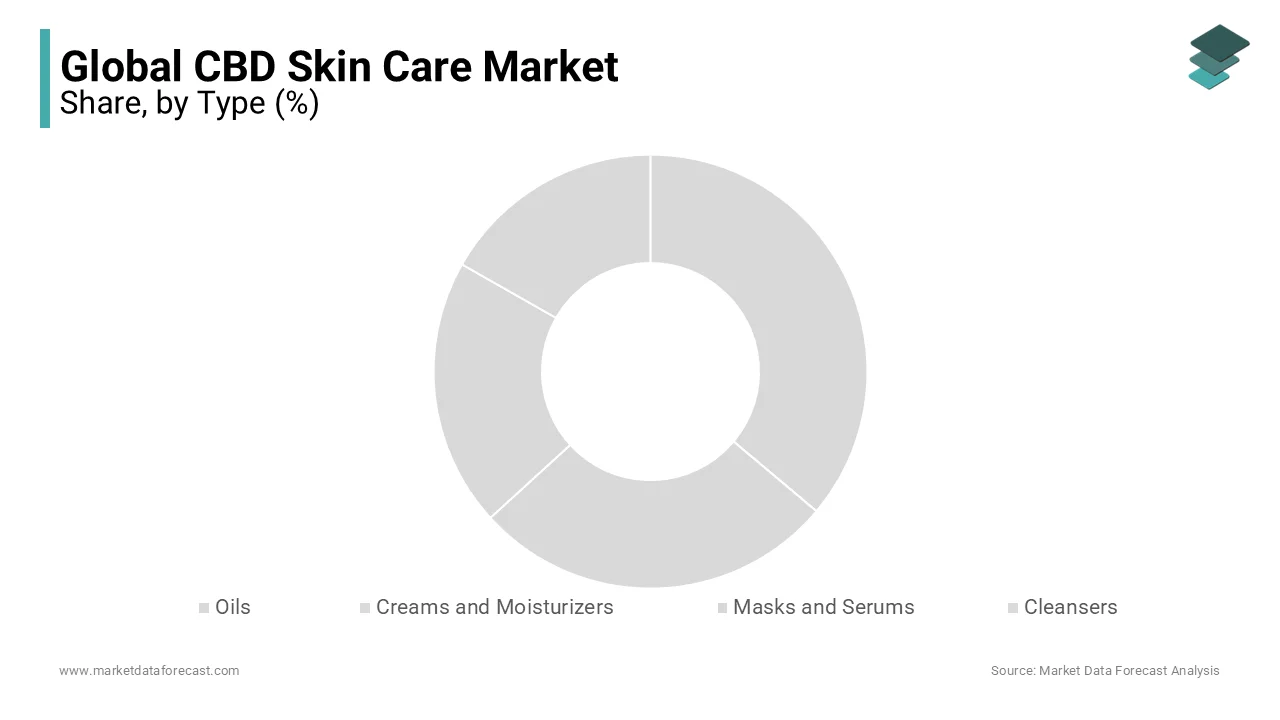
The masks and serums segment is anticipated to witness the fastest CAGR of 24.8% from 2026 to 2034, owing to the rising popularity of high-concentration treatment products and the influence of social media-driven skincare trends that favor intensive, visible results. Moreover, the exceptional growth rate of masks and serums is largely attributed to the shifting consumer preference toward high-potency products that promise immediate and visible improvements in skin texture and tone. Modern consumers, particularly millennials and Generation Z, are increasingly knowledgeable about ingredient concentrations and seek "clinical strength" solutions for specific concerns like hyperpigmentation and fine lines. According to sources, sales of facial serums in North America and Europe have seen significant growth, often outpacing other skincare categories as consumers increasingly view them as essential tools for skin transformation. CBD serums allow for higher percentages of active cannabidiol compared to leave-on creams, appealing to users seeking maximum therapeutic impact for inflammation and acne. The trend of "skin cycling" and multi-step routines has further normalized the use of serums as a dedicated step for active ingredient delivery. A study reveals that products marketed with claims of high potency or concentrated ingredients command a significant price premium, driving revenue growth even when unit volumes are lower than those of standard moisturizers. Additionally, the rise of sheet masks infused with CBD offers a convenient way to deliver a high dose of nutrients in a short timeframe, aligning with the busy lifestyles of urban professionals. This demand for intensive, results-oriented care propels the segment forward at an unprecedented pace. The viral nature of skincare content on digital platforms serves as a potent accelerator for the masks and serums segment, creating instant demand spikes for trending CBD formulations. Social media influencers and dermatologists on platforms like TikTok and Instagram frequently showcase the dramatic before-and-after results of using CBD serums and glow-boosting masks, generating immense organic visibility. Various sources indicate that a large portion of beauty consumers discover new products through social media platforms, where visual demonstrations of product absorption and application effects are especially engaging. The aesthetic appeal of these products, often packaged in sleek dropper bottles or vibrant sheet masks, makes them highly shareable content that drives impulse purchases. Furthermore, the integration of CBD skincare into spa menus and wellness tourism packages has elevated the status of masks and serums as luxury self-care items. Data from the Global Wellness Institute indicates that the wellness tourism market, which frequently features facial treatments using premium serums and masks, has reached a massive global valuation. Hotels and spas are increasingly adopting CBD-infused facial protocols to attract health-conscious travelers, thereby validating the efficacy of these formats. This synergy between digital hype and luxury wellness experiences creates a powerful feedback loop that sustains the rapid expansion of the masks and serums category.
By Source Insights
Hemp-based skincare items held the most significant portion of 62.8% in 2022 because of the high unsaturated fatty acid content of the item. Hemp-imbued skincare items help decrease distress by calming and reviving dry and damaged skin. They also help control maturing issues, which will probably drive this source's use. A portion of the hemp-based skincare items incorporates Hempme Organic Face Cream, Origins hemp-based hydrating face veil, and Kiehl's cannabis Sativa seed oil. Hempseed oil gives exceptionally smooth saturating properties to the skin. The Body Shop was one of the leading re-emerging players to perceive this, presenting its hemp range of items to the market. As indicated by the EU restorative fixing information base, hempseed oil becomes a surfactant, chemical, emollient, and skin conditioner. Hemp atoms are the exact moment that further permits it to infiltrate the skin and give powerful outcomes. These characteristics should bring about the expanding use of hemp in skincare items, adding to the worldwide market growth in the following years.
REGIONAL ANALYSIS
North America CBD Skin Care Market Analysis
North America led the global CBD skin care market and accounted for a 48.1% share in 2025. The region's dominance is attributed to the early legalization of hemp-derived cannabinoids and a highly mature consumer base that readily adopts innovative wellness products. In addition, the United States serves as the epicenter of this growth, driven by the widespread acceptance of CBD following the 2018 Farm Bill, which legalized industrial hemp. According to research, the US CBD landscape has achieved a multi-billion dollar valuation, with skincare emerging as one of the top-performing product categories. The presence of major beauty conglomerates and agile indie brands in cities like Los Angeles and New York fosters intense innovation and rapid product iteration. Surveys suggest that a significant majority of Americans are familiar with CBD, with a substantial portion of the population having already used or expressed openness to using these products. This openness is complemented by a robust retail infrastructure, including Sephora, Ulta, and specialized wellness stores that dedicate substantial shelf space to CBD lines. Furthermore, the regulatory environment, while varying by state, has generally become more permissive, allowing for clearer labeling and marketing claims. Investment in clinical research by American universities and private firms has also produced a wealth of data supporting CBD efficacy, reinforcing consumer confidence. The convergence of favorable legislation, high disposable income, and a culture that prioritizes self-care and natural remedies ensures that North America remains the undisputed leader in market volume and value generation for the foreseeable future.
Europe CBD Skin Care Market Analysis
Europe followed closely behind in the CBD skin care market and held a 27.2% share in 2025. This position of the European market is propelled by a strong emphasis on organic certification and stringent quality standards. The region presents a complex but lucrative opportunity driven by deep-rooted traditions in natural cosmetics and a growing willingness to embrace cannabinoid therapies. The European market is distinguished by its rigorous adherence to safety and purity, with consumers heavily relying on certifications like COSMOS and Ecocert to validate product claims. Studies indicate that the natural and organic cosmetics sector in the EU is expanding faster than conventional segments, creating a favorable environment for brands that utilize organic hemp. Countries such as France, Switzerland, and Germany are leading the charge, leveraging their advanced agricultural sectors to produce high-quality hemp biomass. The European Industrial Hemp Association reports that hemp cultivation area in the EU has expanded to thousands of hectares, ensuring a steady local supply chain. Despite regulatory fragmentation, the European Commission's ongoing efforts to harmonize novel food regulations are gradually providing clarity that encourages larger corporations to enter the space. Consumer trust is paramount in Europe, and brands that transparently disclose sourcing and third-party testing results gain significant loyalty. Regional consumer surveys indicates that a large majority of European citizens prefer products featuring natural ingredients, providing a strong foundation for the CBD skincare market. The region's sophisticated distribution networks, including pharmacies and high-end department stores, further legitimize CBD products as serious dermatological solutions rather than mere novelty items, driving sustained growth across the continent.
Asia-Pacific CBD Skin Care Market Analysis
The Asia-Pacific region is emerging as a dynamic and rapidly expanding market for CBD skin care due to the booming beauty industries in China, Japan, and South Korea, and a cultural shift toward holistic wellness. While regulatory hurdles exist, the sheer size of the population and the intense innovation in skincare technology position this region for explosive future growth. South Korea and Japan are at the forefront of this expansion, known globally for their advanced skincare routines and willingness to experiment with novel ingredients. Studies suggest an increasing interest in cannabinoid-based ingredients among younger consumers who prioritize skin health and anti-aging benefits. In China, despite strict cannabis laws, the demand for hemp seed oil and legally compliant cannabinoid derivatives is surging, supported by a massive e-commerce ecosystem that facilitates rapid trend adoption. Despite regional regulatory shifts, interest in hemp-derived beauty components has shown periods of significant growth on major e-commerce platforms. The cultural acceptance of traditional herbal medicine in countries like India and Thailand also provides a receptive environment for CBD, viewed as a modern extension of ancient botanical practices. Furthermore, the rising middle class in Southeast Asia is increasing its spending power on premium personal care items. Research emphasizes that the Asia-Pacific region accounts for 40 percent of global beauty growth, and as regulations evolve to accommodate CBD, this share is expected to rise sharply. The region's focus on lightweight textures and brightening effects aligns well with CBD properties, making it a critical frontier for global brands.
Latin America CBD Skin Care Market Analysis
Latin America expanded gradually in the global market, driven primarily by Brazil and Mexico, where agricultural potential and changing social attitudes are beginning to unlock the sector. The region benefits from ideal climatic conditions for hemp cultivation and a growing movement toward natural and sustainable beauty products. Brazil is poised to become a major player due to recent legislative shifts that have eased restrictions on cannabis-derived products for medicinal and cosmetic use. The country's vast agricultural land offers the potential to become a leading exporter of organic hemp, reducing raw material costs for domestic manufacturers. In Mexico, proximity to the US market has accelerated the flow of trends and investment, with local brands increasingly launching CBD lines to cater to a youthful population. Furthermore, the cultural heritage of using plant-based remedies in Latin American traditions creates a natural affinity for CBD. However, economic volatility and inconsistent regulatory frameworks across different countries remain challenges. Despite these hurdles, the combination of low production costs, abundant raw materials, and a burgeoning consumer base eager for innovative wellness solutions suggests that Latin America will significantly increase its market share in the coming decade.
Middle East and Africa CBD Skin Care Market Analysis
The Middle East and Africa region is predicted to grow notably in the global CBD skin care market, constrained by strict regulatory environments and cultural sensitivities, yet displaying pockets of significant potential in progressive markets like South Africa and Israel. The region represents a long-term growth frontier where gradual legal reforms could unleash substantial demand. Israel stands out as a beacon of innovation in the region, boasting a world-class medical cannabis industry that is increasingly influencing the cosmetic sector. The government's supportive stance on research and development has fostered a cluster of startups specializing in advanced cannabinoid extraction and formulation. In South Africa, the decriminalization of private cannabis use has opened doors for the legal hemp industry, with a steady increase in licensed hemp farmers. The African continent's rich biodiversity offers unique opportunities for blending CBD with indigenous botanicals, creating differentiated products for the global market. However, conservative social norms in many Middle Eastern countries limit mainstream adoption, restricting sales to niche online channels or duty-free zones. Regulatory frameworks are evolving, and stigma is diminishing. Therefore, the Middle East and Africa are expected to transition from a marginal player to a meaningful contributor to the global CBD skincare economy.
COMPETITIVE LANDSCAPE
The competition in the CBD skin care market is characterized by intense rivalry between established beauty conglomerates and agile niche startups vying for consumer attention in a rapidly evolving landscape. Large corporations leverage their extensive distribution networks and substantial marketing budgets to dominate shelf space and build brand recognition quickly. Meanwhile, smaller independent brands compete by offering unique formulations, transparent sourcing stories, and strong community engagement to foster deep loyalty. The market sees frequent product launches as companies strive to innovate with new textures, scents, and combinations of active ingredients to stand out. Price wars are becoming more common as saturation increases, forcing players to justify premium pricing through clinical evidence and superior packaging. Regulatory uncertainty adds another layer of complexity as firms must navigate varying laws across different regions while maintaining compliance. Trust and transparency have emerged as the primary battlegrounds, with consumers demanding third-party lab results and clear labeling. Companies that fail to meet these heightened expectations risk losing market share to more credible competitors who prioritize safety and efficacy above all else in their operational strategies.
MARKET KEY PLAYERS
The CBD skincare market is competitive. Some influential organizations worldwide are
- Kiehl's LLC
- Cannuka LLC
- Estée Lauder Companies Inc
- Elixinol Global Limited
- Medical Marijuana Inc.
- Endoca LL
- L'Oréal Occitane International S.A
- Lord Jones
- VERTLYBALM
- Kapu Maku LLC
- Leef Organics
TOP PLAYERS IN THE MARKET
- The Estée Lauder Companies Inc has established a formidable presence in the CBD skin care sector through its strategic brand Origins, which launched the Hello Calm line. This major conglomerate leverages its extensive global distribution network to bring cannabinoid infused products to mainstream department stores and online platforms worldwide. The company focuses on integrating CBD with its proprietary botanical blends to address stress-related skin concerns effectively. Recent actions include expanding the Hello Calm range to include hydrating masks and cleansing oils, thereby broadening its appeal to diverse consumer needs. By utilizing its robust research and development facilities, the firm ensures high purity standards and consistent potency in every formulation. This commitment to quality and scientific validation helps demystify CBD for skeptical consumers and reinforces brand trust. The company continues to invest in marketing campaigns that highlight the soothing properties of hemp seed oil and cannabidiol to capture the growing wellness-oriented demographic.
- L'Oréal Occitane International S.A has made significant strides in the market by launching the Cannabis Essence collection under its flagship brand, which targets dry and sensitive skin types. The French company utilizes sustainably sourced hemp seeds from Europe to create products that align with its core values of natural ingredients and environmental responsibility. Their involvement extends beyond simple product launches to include educational initiatives that inform customers about the benefits of hemp-derived cannabinoids. Recent actions involve reformulating existing bestsellers to include CBD extracts, thus refreshing their portfolio without alienating loyal users. The brand has also expanded its retail footprint in key Asian markets where demand for natural skincare is surging rapidly. By emphasizing traceability and organic certification, L'Occitane differentiates itself from competitors who may lack transparent supply chains. This strategy resonates strongly with eco-conscious consumers who prioritize sustainability alongside efficacy in their purchasing decisions.
- Kiehl's Since 1851, a subsidiary of L'Oréal Group, has capitalized on its heritage as an apothecary brand to introduce the Cannabis Sativa Seed Oil Herbal Concentrate. This product has become a cult favorite for its ability to calm redness and reduce the appearance of blemishes without causing psychoactive effects. The company leverages the vast scientific resources of its parent organization to ensure rigorous testing and safety compliance across all global markets. Recent actions include launching targeted advertising campaigns featuring dermatologists to validate the therapeutic claims of their CBD offerings. Kiehl's has also introduced limited edition sets and travel sizes to lower the entry barrier for new customers interested in trying cannabinoid based skincare. The brand actively engages with consumers through social media platforms to share user testimonials and usage tips. This community-driven approach fosters loyalty and encourages word-of-mouth promotion, which is vital in a market often clouded by misinformation.
TOP STRATEGIES USED BY KEY MARKET PARTICIPANTS
Key players in the CBD skin care market primarily employ strategic partnerships and acquisitions to secure reliable supply chains and enhance technological capabilities. Companies frequently collaborate with specialized hemp farmers to ensure consistent access to high-quality organic biomass while mitigating raw material volatility. Another dominant strategy involves heavy investment in research and development to innovate advanced delivery systems such as nanoemulsions that improve cannabinoid absorption. Brands also focus extensively on consumer education campaigns to dismantle social stigma and clarify the difference between hemp-derived CBD and marijuana. Expanding distribution channels through partnerships with prestigious department stores and dedicated online wellness platforms allows firms to reach broader audiences effectively. Furthermore, obtaining third-party certifications for organic and cruelty-free status serves as a critical differentiation tactic to build trust with discerning customers. Many companies are also diversifying their product portfolios to include gender neutral formulations and targeted treatments for specific skin conditions to capture niche segments.
MARKET SEGMENTATION
This research report on the CBD skincare market has been segmented and sub-segmented into the following categories.
By Type
- Oils
- Creams and Moisturizers
- Masks and Serums
- Cleansers
By Source
- Hemp
- Marijuana
By Region
- North America
- Europe
- Asia Pacific
- Latin America
- The Middle East and Africa
Frequently Asked Questions
1. What is the size of the global CBD skin care market in 2025?
The global CBD skin care market was valued at USD 733 million in 2025, reflecting strong consumer demand for natural and therapeutic skincare products infused with cannabidiol
2. What is the growth forecast for the global CBD skin care market?
The global CBD skin care market is expected to grow at a CAGR of 33% from 2026 to 2034, reaching USD 9,545 million due to rising awareness of CBD benefits and product innovation
3. What drives the growth of the global CBD skin care market?
Growth is driven by increasing consumer preference for natural, anti-inflammatory skin care, legalization trends, and expanding applications of CBD in skincare formulations
4. Which regions lead the global CBD skin care market?
North America leads the global CBD skin care market, with growing adoption also occurring in Europe and Asia Pacific regions due to changing regulations and rising consumer interest
5. What are the popular product types in the global CBD skin care market?
Popular products include CBD creams, facial oils, moisturizers, serums, and masks, known for their skin-calming, anti-aging, and hydrating effects within the global cbd skin care market
6. How does cbd help in skincare according to the global CBD skin care market?
Cbd offers anti-inflammatory, antioxidant, and moisturizing properties, making products in the global cbd skin care market effective for acne, redness, and skin aging treatment
7. Are there any regulatory challenges in the global CBD skin care market?
Yes, varying global regulations on cbd in cosmetics pose challenges for the global cbd skin care market, requiring brands to ensure compliance with different country laws
8. How is the global CBD skin care market adapting to consumer preferences?
The global cbd skin care market is responding by offering organic, cruelty-free, and vegan products that cater to the increasing demand for clean and sustainable beauty options
9. What role does e-commerce play in the global CBD skin care market?
E-commerce is a key distribution channel in the global cbd skin care market, enabling wider product reach and consumer access, especially in markets with regulatory restrictions
10. How do major brands contribute to the global CBD skin care market?
Leading brands innovate with clinically tested and diverse cbd skin care lines, expanding consumer choices and driving market growth within the global cbd skin care market
Related Reports
Access the study in MULTIPLE FORMATS
Purchase options starting from
$ 2500
Didn’t find what you’re looking for?
TALK TO OUR ANALYST TEAM
Need something within your budget?
NO WORRIES! WE GOT YOU COVERED!
Call us on: +1 888 702 9696 (U.S Toll Free)
Write to us: sales@marketdataforecast.com